It’s the water, not the weather
People assume water heaters fail here because it’s hot. It isn’t the air temperature. It’s the water itself.
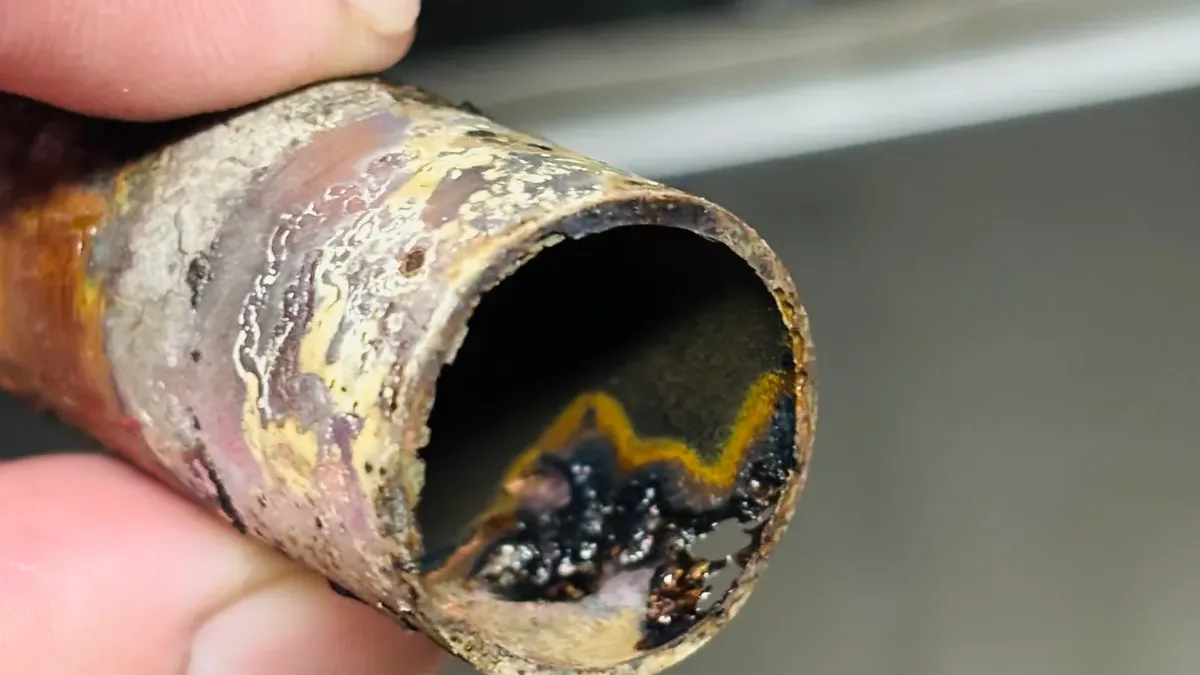
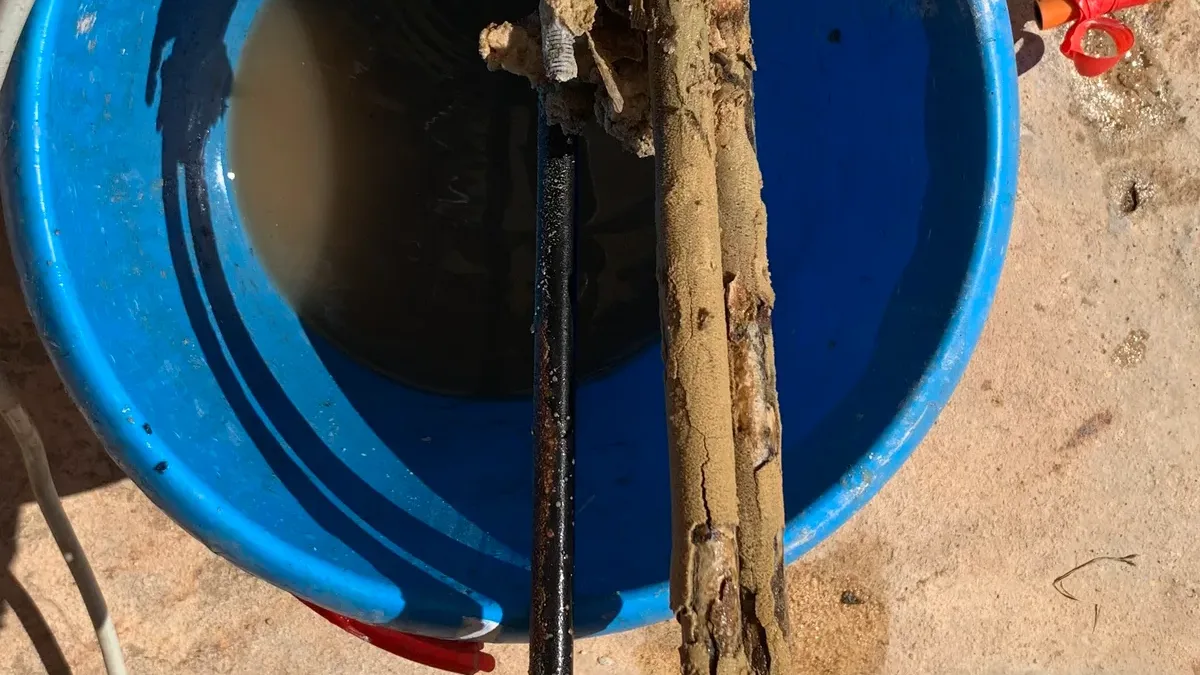
The supply along this coast is hard — high in calcium and magnesium. Heat that water and the minerals come out of solution and settle. They collect on the element first, because that’s the hottest surface, and then across the bottom of the tank.
A heater that would last twelve years in Manchester can be finished in seven or eight in Calahonda. Same appliance, different water.
What limescale actually does
Two things, and both are expensive.
On the element: scale is an insulator. It sits between the element and the water, so the element has to run hotter and longer to heat the same tank. You feel it as hot water that takes longer to arrive and a bill that creeps up.
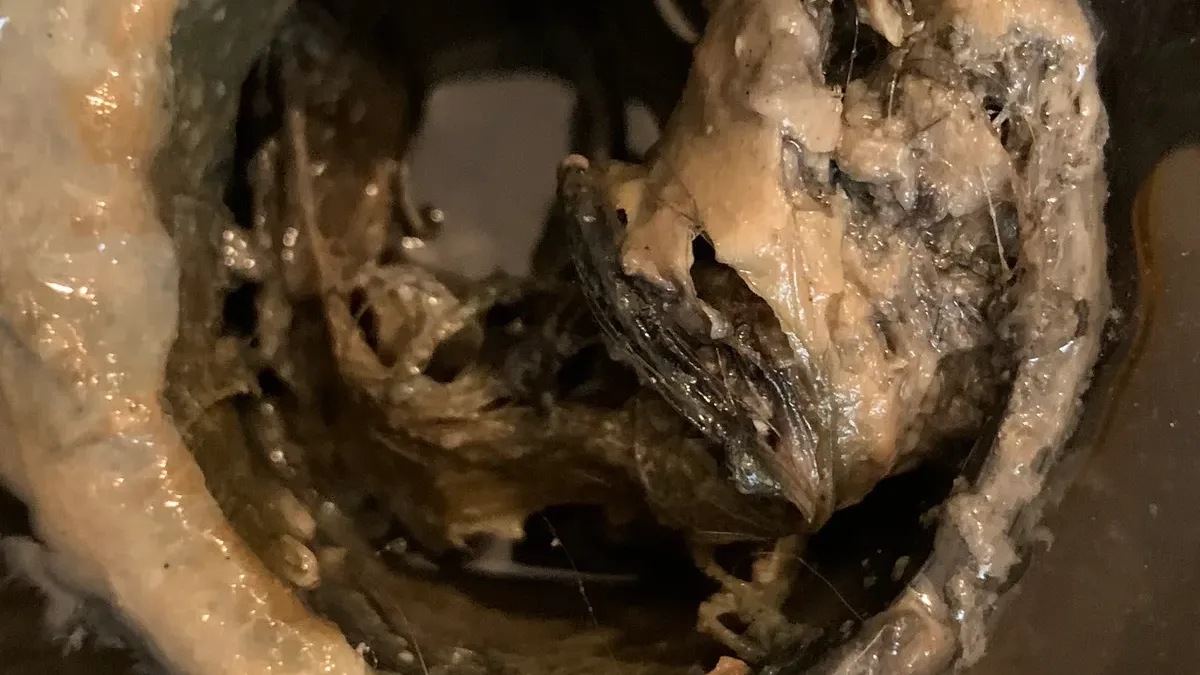
In the tank: a crust builds on the base. It cracks, re-forms, and eventually holds water against the steel in a way the tank wasn’t designed for. That’s where the pinhole starts, usually low down where you can’t see it until there’s a wet patch on the floor.
Three signs the tank is past saving
Greg has replaced enough of these on this coast to know the difference between a repair and a funeral.
- Water underneath the unit. On a tank, this is almost always the end. The steel has gone, not a fitting.
- Rumbling or popping when it heats. That noise is scale-cracked water boiling under a crust of it. It doesn’t mean immediate failure, but it means the tank is well into the last quarter of its life.
- It trips the breaker. Usually the element has scaled to the point of failure and is drawing wrong. Sometimes that’s a cheap fix; on an old tank it isn’t worth it.
The signs that are still a repair
No hot water, or water that’s only lukewarm, is often just the element or the thermostat — both are straightforward, both are same-day jobs. A leaking pressure relief valve is a valve, not a tank.
The honest rule: if the steel is intact, repair it. If water is coming through the steel, don’t pay to patch something that will fail again in a year.
What actually stops it happening again
A softener, or a scale inhibitor, on the incoming supply. That’s the only thing that prevents it — descaling a tank helps the element but doesn’t put the years back on the steel.
If you’re replacing a heater here, it’s worth asking whether a softener is cheaper than the next heater. On this coast, over ten years, it usually is.
Greg works the coast from Calahonda, from San Pedro de Alcántara to Benalmádena. If your heater is rumbling or there’s water under it, send a photo on WhatsApp and you’ll usually have an answer in about ten minutes.